Intimacy and Relationships After Amputation
After an amputation, most people focus on the physical side of recovery — learning to move again, adapting to a prosthetic, managing pain. But one of the biggest adjustments happens in an area that doesn’t get talked about enough: relationships and intimacy.
Intimacy doesn’t disappear after amputation — it evolves.
The truth is, amputation does not take away your ability to connect with someone. It can, however, challenge how you see yourself.
One of the biggest changes is psychological, not physical. Confidence can take a hit. There may be fear of rejection, of being seen differently, or of not feeling “whole.” These feelings are real, and they deserve acknowledgment. But they do not define your worth or your ability to love and be loved.
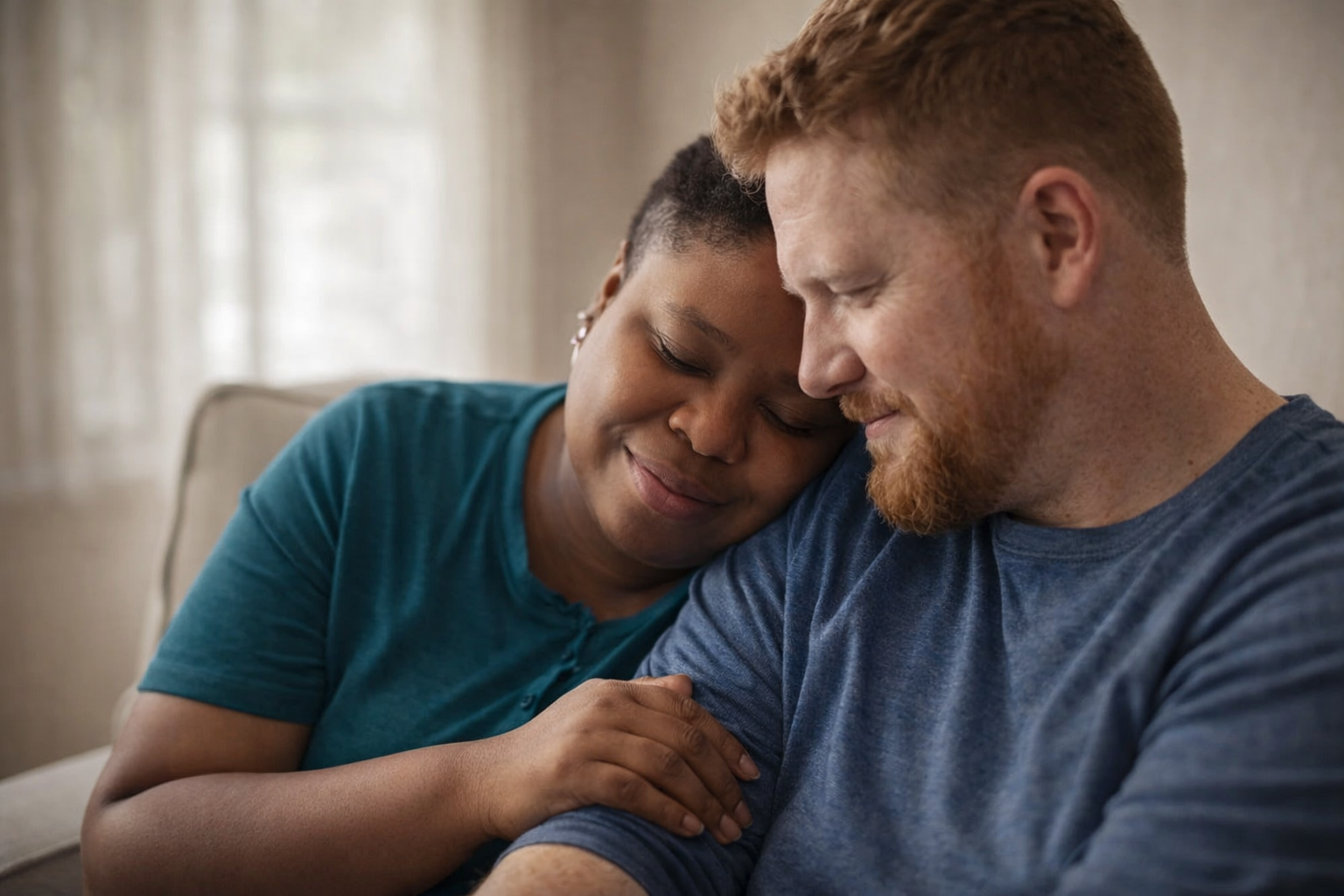
Communication becomes everything. Honest conversations about comfort, boundaries, and needs create a stronger foundation than before. What may feel awkward at first often becomes a deeper level of trust. When both partners are open, intimacy can become more intentional and more meaningful.
Physical intimacy may look different — and that’s okay. It takes patience and a willingness to adapt. Instead of focusing on what changed, focus on what still works and what can be discovered. Connection doesn’t come from perfection — it comes from presence.
Support from your partner plays a major role. Feeling accepted, desired, and respected can rebuild confidence faster than anything else. At the same time, independence matters. A healthy relationship balances support with respect for autonomy.
It’s also important to remember that intimacy goes beyond the physical. It lives in the small things — conversations, shared routines, humor, and simply being there for each other. In many cases, couples come out of this stronger because they’ve been forced to be more honest and intentional.
Amputation changes your body, but it does not take away your ability to lead, to love, or to build a meaningful relationship.
If anything, it forces you to build something more real.
At its core, this journey is not about what is lost — it’s about what can still be built.