
The First 90 Days After Amputation: What to Expect Physically and Emotionally
The first 90 days after an amputation are often described as the most intense period of adjustment — physically, emotionally, and psychologically. Whether the amputation was planned due to chronic illness or occurred suddenly because of trauma, this phase marks the beginning of healing, adaptation, and rebuilding.
Knowing what to expect can make the process feel less overwhelming and more manageable. This guide breaks the first 90 days into two key areas: physical recovery and emotional adjustment.
Physical Recovery
Phase I: Early Healing (Weeks 1–3)
The initial focus is on wound healing, pain control, and preventing complications. Swelling is common, and the residual limb (often called the stump) will be tender. Proper positioning is critical to prevent contractures — tightening of muscles and joints — especially for lower-limb amputations.
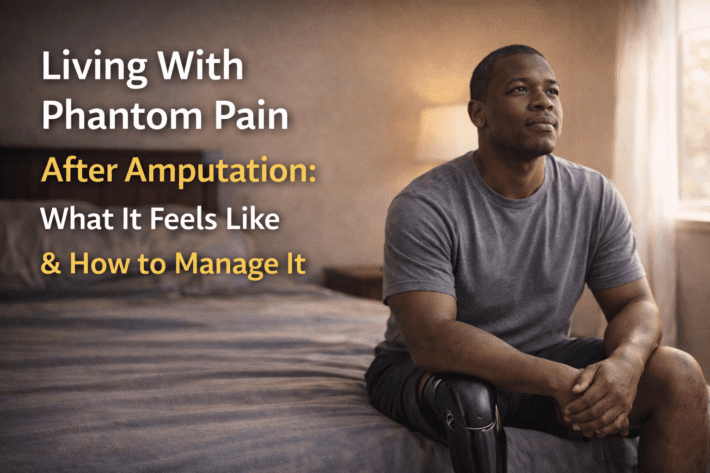
Pain during this phase can take different forms. There may be surgical pain from the incision and trauma of surgery, along with phantom pain, which can range from mild tingling to sharp, intense sensations. Phantom pain is very real and very common. It does not mean something is wrong — it’s your nervous system adjusting to a major change.
Doctors may use medications, mirror therapy, desensitization techniques, or nerve treatments to help manage these sensations.
Phase II: Active Rehabilitation (Weeks 3–8)
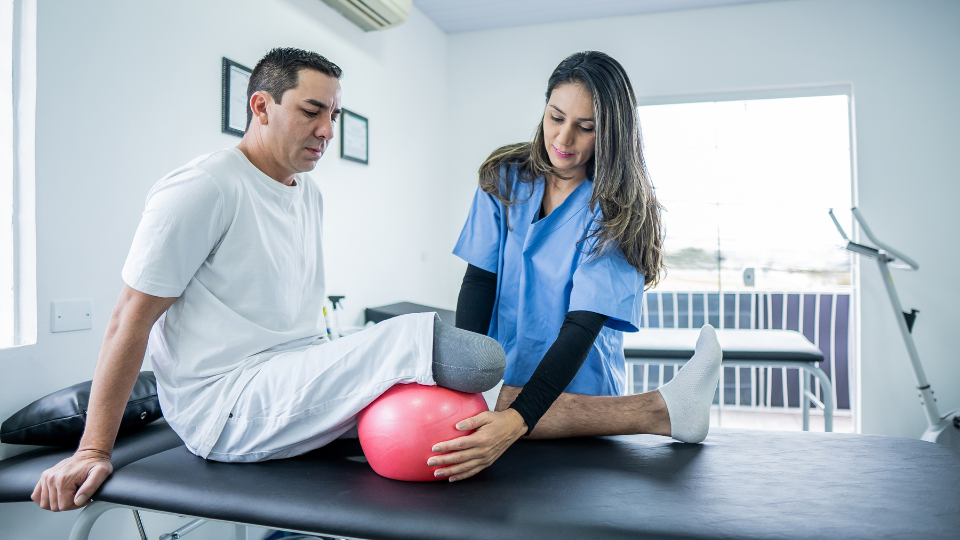
As the surgical site heals, rehabilitation becomes more active. Physical therapy focuses on:
- Strengthening surrounding muscles
- Improving balance and flexibility
- Learning to use mobility equipment such as wheelchairs, crutches, walkers, or scooters
For those planning to use a prosthetic limb, shaping and shrinking of the residual limb often begins during this phase. Compression garments or shrinkers help reduce swelling and prepare the limb for prosthetic fitting.
Energy levels may be low. Many people underestimate how physically demanding recovery is. The body is healing from major surgery while also adapting neurologically. Fatigue is normal and should be expected.
Phase III: Prosthetic Readiness (Weeks 9–12)
If healing is progressing well, prosthetic evaluation may begin during this phase. Fitting and training with a prosthetist is a gradual process that requires patience, repetition, and mental resilience.
Some days will feel like breakthroughs. Others may feel frustrating. Muscle soreness, skin irritation, and balance challenges are common as the body relearns movement patterns. Progress is rarely linear — improvement often comes in waves.
The Emotional Journey
Physical recovery is only part of the story. Emotional adjustment can be just as significant.
Grief and Identity
Grief is normal. Amputation is a loss. Even when it saves a life or ends chronic pain, it is still a loss. Many people experience stages of grief similar to those felt after losing a loved one — shock, numbness, anger, sadness, fear, and eventually acceptance.
There may be moments of mourning the body as it once was. This is not weakness — it’s human.
Seeing the residual limb for the first time can be emotionally difficult. Some people avoid mirrors at first. Others feel self-conscious around family and friends. Over time, many individuals find their identity expands beyond the limb. They begin to see themselves not as “less than,” but as resilient survivors who have endured something profound.
That shift takes time. The first 90 days are often when self-image is most fragile.
Fear, Anxiety, and Support
Common fears often surface:
- Will I walk normally again?
- Will people treat me differently?
- Will my relationships change?
- What will my future look like?
These concerns are normal. Open communication with doctors, therapists, and loved ones can help reduce uncertainty. Connecting with peer support groups or other amputees can be especially powerful. Seeing someone living fully after amputation can reshape expectations in a hopeful way.
Depression and anxiety may also emerge during this period. Warning signs include persistent hopelessness, withdrawal, or loss of interest in recovery. Seeking counseling is not a sign of failure — it’s part of comprehensive healing.
Emotional strength isn’t about pretending everything is fine. It’s about allowing the full range of emotions while continuing to move forward.
A Final Perspective
The first 90 days are not about getting back to “normal.”
They are about building a new normal.
Physically, the body is healing and adapting. Emotionally, the mind is learning to process change and rediscover inner strength. Recovery is not defined by perfection — it is defined by persistence.
With time, proper care, and support, many individuals find not just stability, but renewed purpose, confidence, and independence.
The journey begins with patience, courage, and understanding that healing is both physical and emotional — and both deserve equal attention.
And remember:
The new you will be amazing.
PATIENCE.


very well written….very informative…
excellent work!!!
dean glassman hollywood,fl HD (april 2023)