Prosthetics 101: Breaking Down the Basics of Mobility Devices for Amputees
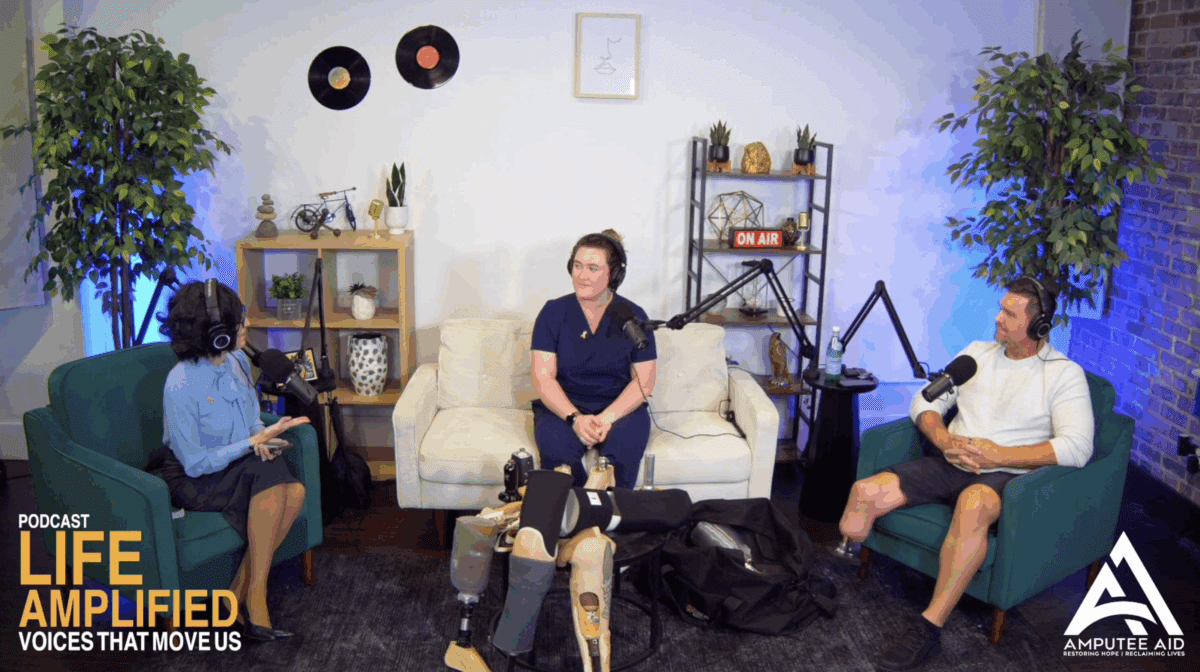
Prosthetics 101: Breaking Down the Basics of Mobility Devices for Amputees
For many amputees, receiving a prosthetic device is more than just a medical milestone — it’s a life-changing step toward independence, confidence, and mobility. But for individuals who are new to the world of prosthetics, the process can feel overwhelming. That’s why education matters.
In a recent Life Amplified Webinar, we sat down with Caroline Calabrese of Union Orthotics & Prosthetics to demystify the prosthetic process, covering everything from device types to proper care and realistic expectations.
🎥 Watch the full conversation here:
👉 Prosthetics 101 Webinar with Caroline Calabrese
1. Understanding the Types of Prosthetics
Prosthetics are not one-size-fits-all. Caroline shared that the right device depends on the level of amputation, lifestyle, and individual goals.
The most common categories include:
-
Upper limb prosthetics: Designed to restore hand, wrist, or arm function.
-
Lower limb prosthetics: Enable walking, running, or everyday mobility.
-
Activity-specific prosthetics: Built for unique activities like sports, swimming, or work tasks.
Each device is carefully customized to the individual’s needs — balancing function, comfort, and durability.
2. The Fitting Process
Getting a prosthetic isn’t as simple as picking one off a shelf. Caroline explained that the fitting process is one of the most important steps in long-term success.
This includes:
-
Residual limb evaluation
-
Socket fitting and adjustments
-
Comfort testing and gait training
-
Ongoing follow-ups to ensure proper function
A well-fitted prosthetic can make the difference between daily pain and everyday freedom.
3. Maintenance and Care
Like any essential tool, prosthetics require routine care and maintenance. Regular cleaning, periodic checkups, and quick attention to wear and tear can extend the life of the device and keep the user safe.
Caroline emphasized the importance of reporting changes — if something doesn’t feel right, it probably isn’t.
4. Access and Affordability
One of the biggest barriers amputees face is access to prosthetic care, especially for those without insurance or adequate coverage. This is where Amputee Aid steps in — providing funding, resources, and advocacy to make sure no one has to go without mobility.
5. The Power of Education
The more amputees and families understand about prosthetics, the more empowered they are to make informed decisions about their care. That’s why webinars like this one are so valuable — they bring real expertise straight to the community.
💙 At Amputee Aid, we believe mobility is not a privilege — it’s a right.